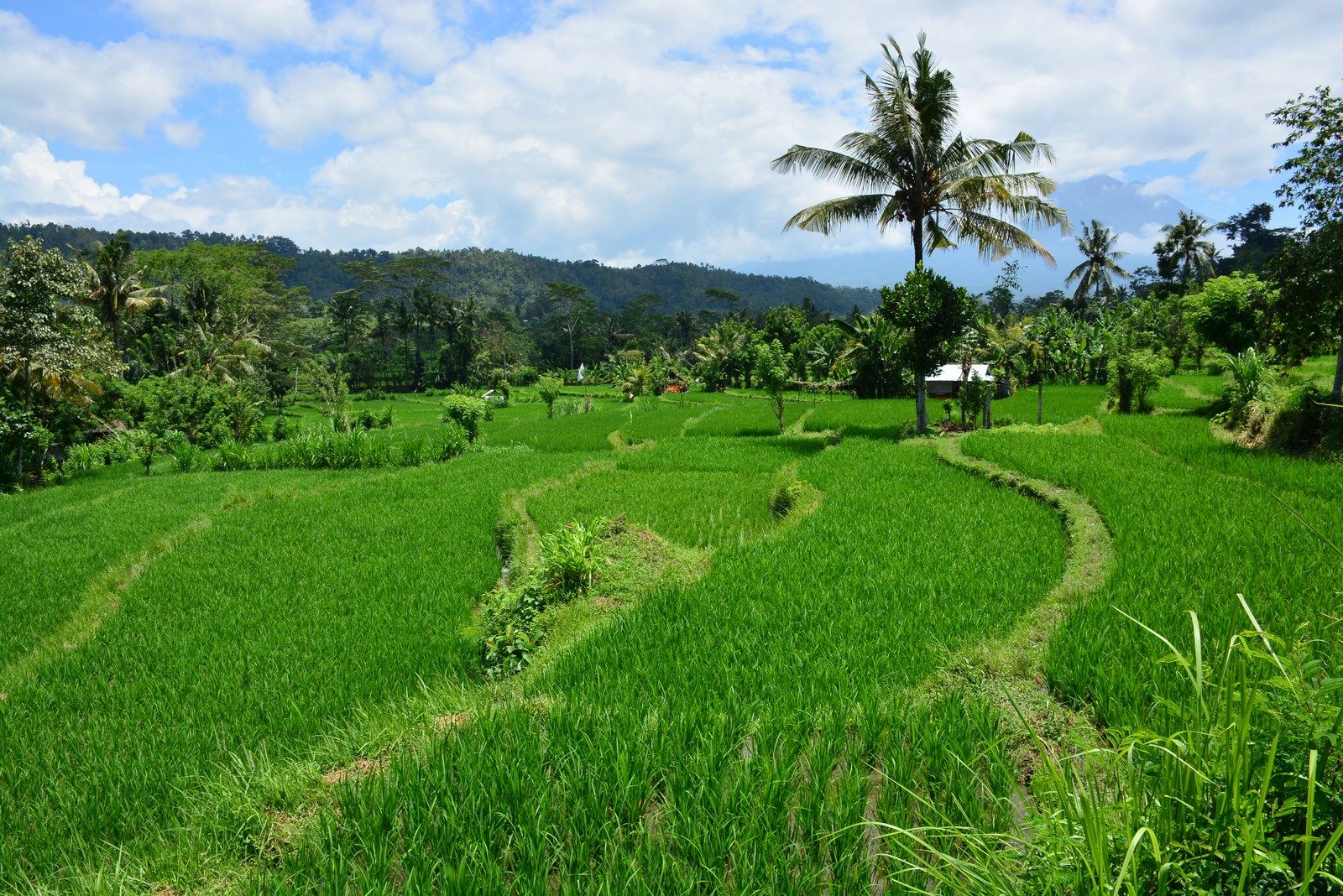
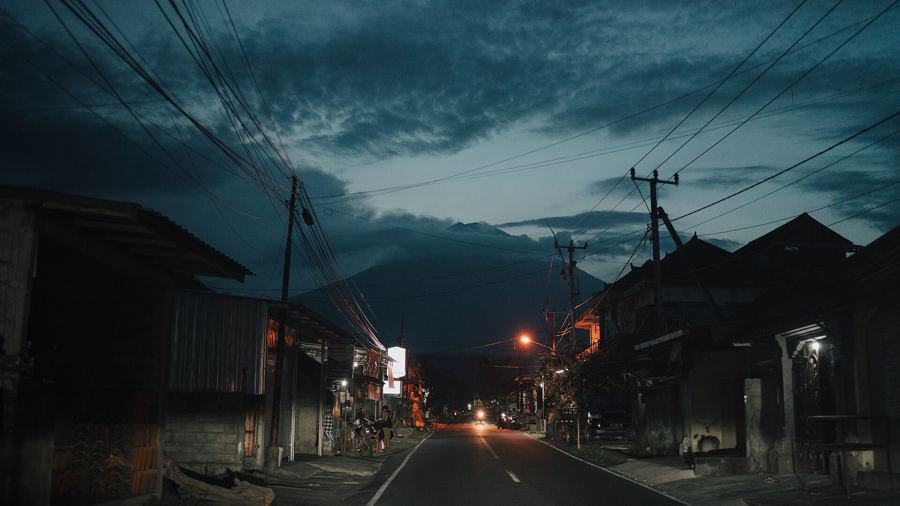
Sidemen is a village and a valley in Karangasem, in the east of Bali, set in the hills between the old royal town of Semarapura and the slopes of Mount Agung. The road climbs through it in gentle bends, with rice terraces stepping down to a river on one side and forested ridges rising on the other. On clear mornings Agung itself fills the head of the valley.
Compared with the busier terraces around Ubud, Sidemen has seen far less change. There are guesthouses and small places to stay, and more each year, but the valley still feels first of all like a farming community. That is its gift: a place where the slow life of rice and temple carries on and you can sit quietly at its edge.
The terraces under the mountain
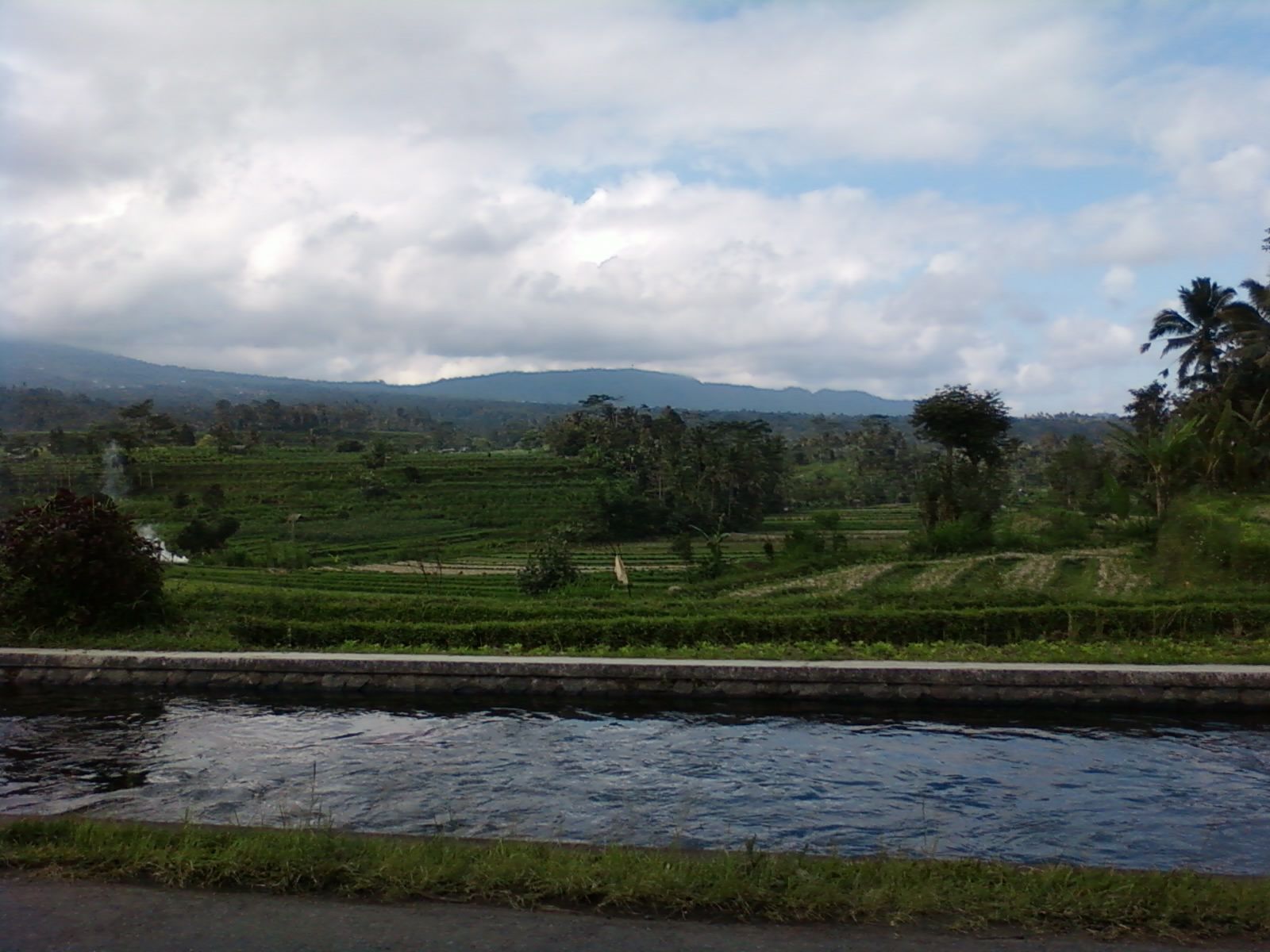
The rice fields of Sidemen are farmed by subak, the cooperative water associations that have organised irrigation in Bali for about a thousand years. Water is drawn from rivers and springs, led along channels and tunnels, and shared out field by field, with offerings made at small water shrines along the way. The subak system is the reason the terraces look the way they do.
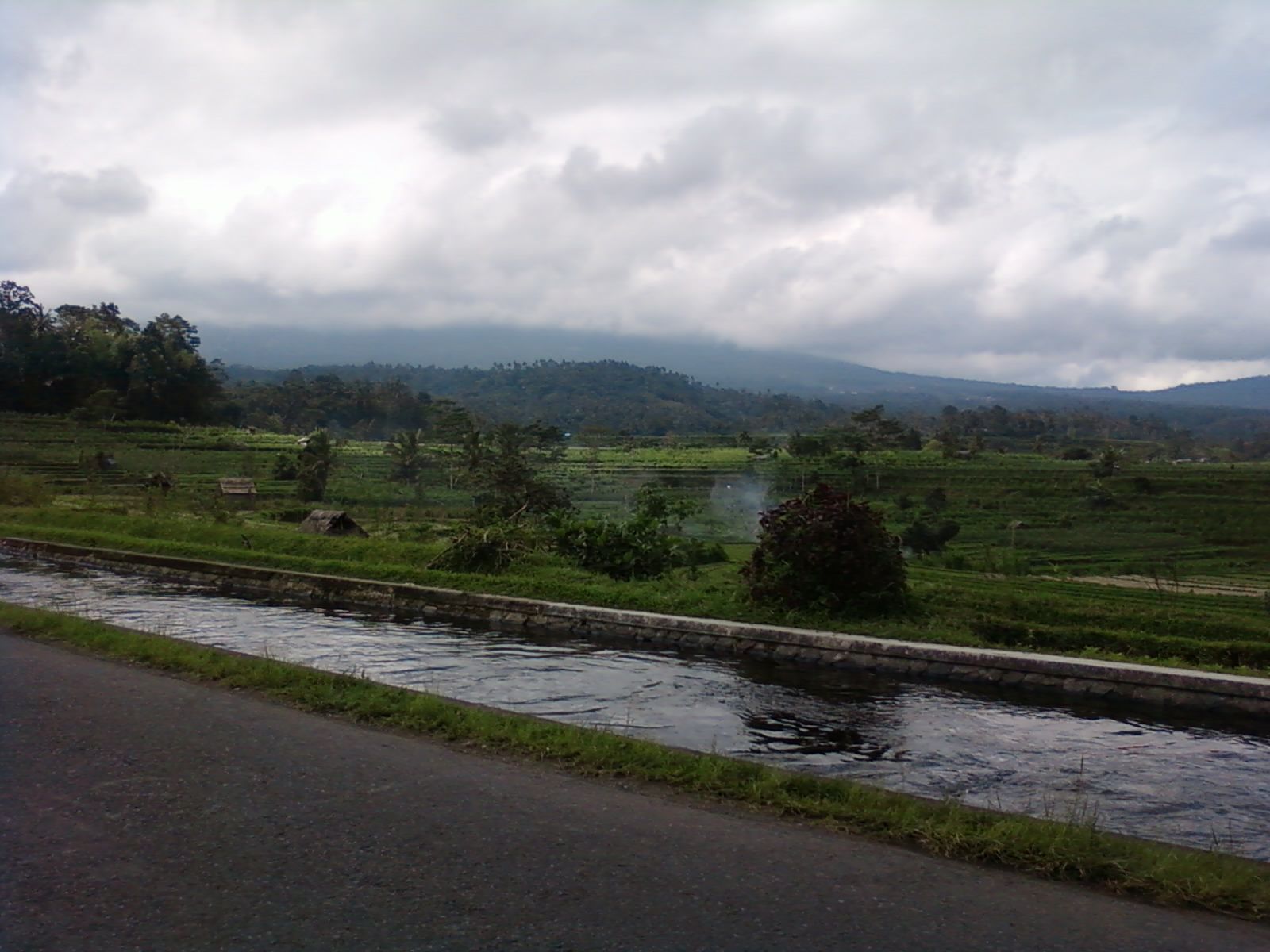
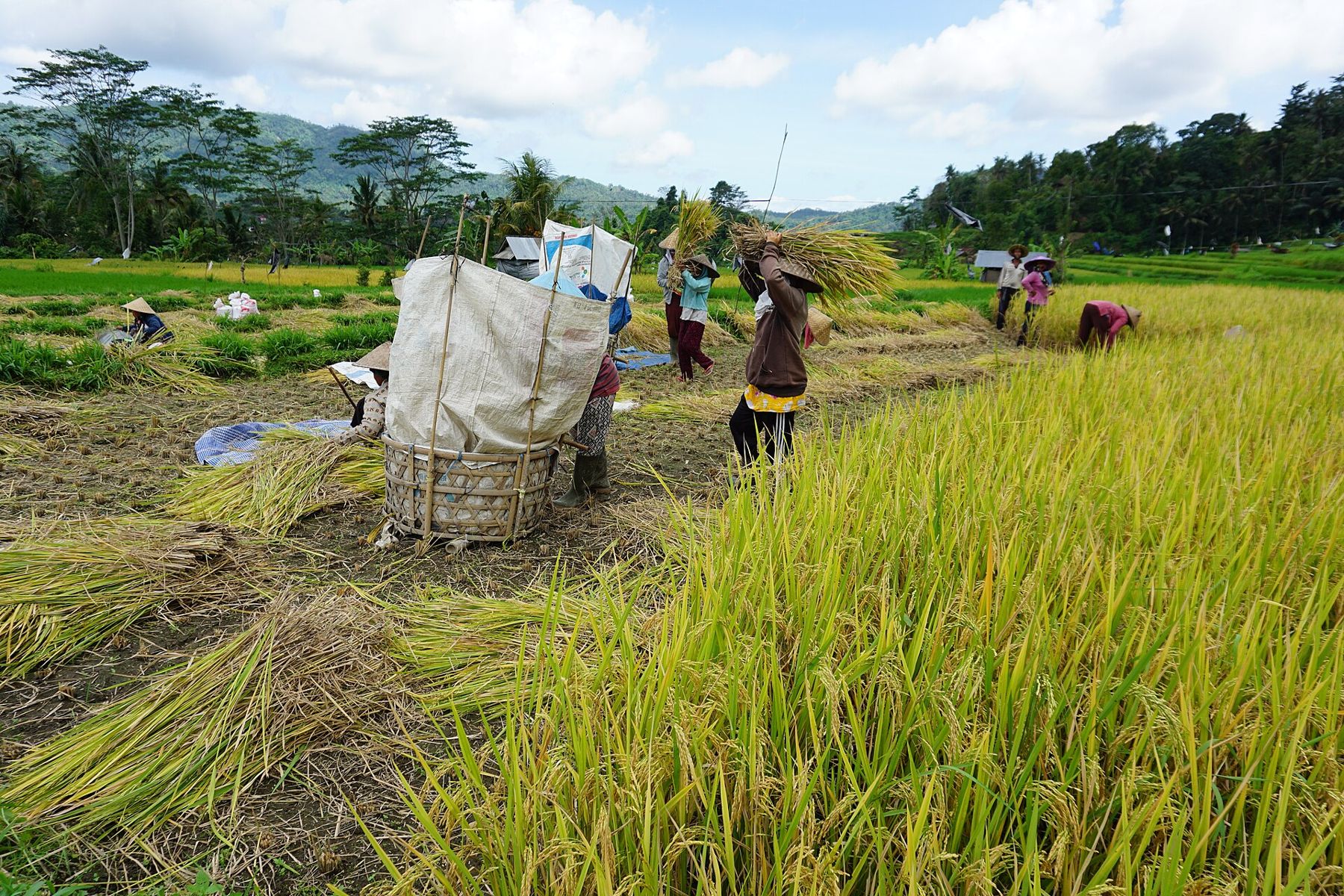
Because planting is staggered, you can often see several stages of the rice cycle at once: flooded fields reflecting the sky, young green shoots, tall gold-green rice heavy with grain, and fields being harvested by hand. Ducks are sometimes let into the flooded fields to forage. Small shrines stand at the corners of the terraces, each with its morning offering.
Walking the field paths
Narrow paths run along the edges of the terraces and beside the irrigation channels. They are the farmers' paths, and you are a guest on them.
- Walk in single file and step aside for anyone working or carrying a load.
- Do not walk through planted fields or step on the soft walls of the terraces.
- Step around offerings and shrines.
- Paths can be slippery and narrow beside deep channels; wear proper shoes.
- A local guide is useful for longer walks, both to find the way and to explain what you see.
The best hours are early. At sunrise the air is cool, the mountain is usually clear, and the farmers are already in the fields. By mid morning cloud often covers Agung and the heat builds. A second walk in the late afternoon, as the light softens, is equally good.
The Unda river
Below the terraces, the Unda river runs over a broad bed of boulders. It drains water from the slopes of Agung and is fed by springs and streams along the valley. In the dry season it is shallow and quiet, and the banks make a good place for an evening walk. In the wet season it can rise quickly and turn brown and fast; stay well back from the water after heavy rain, and never try to cross it.
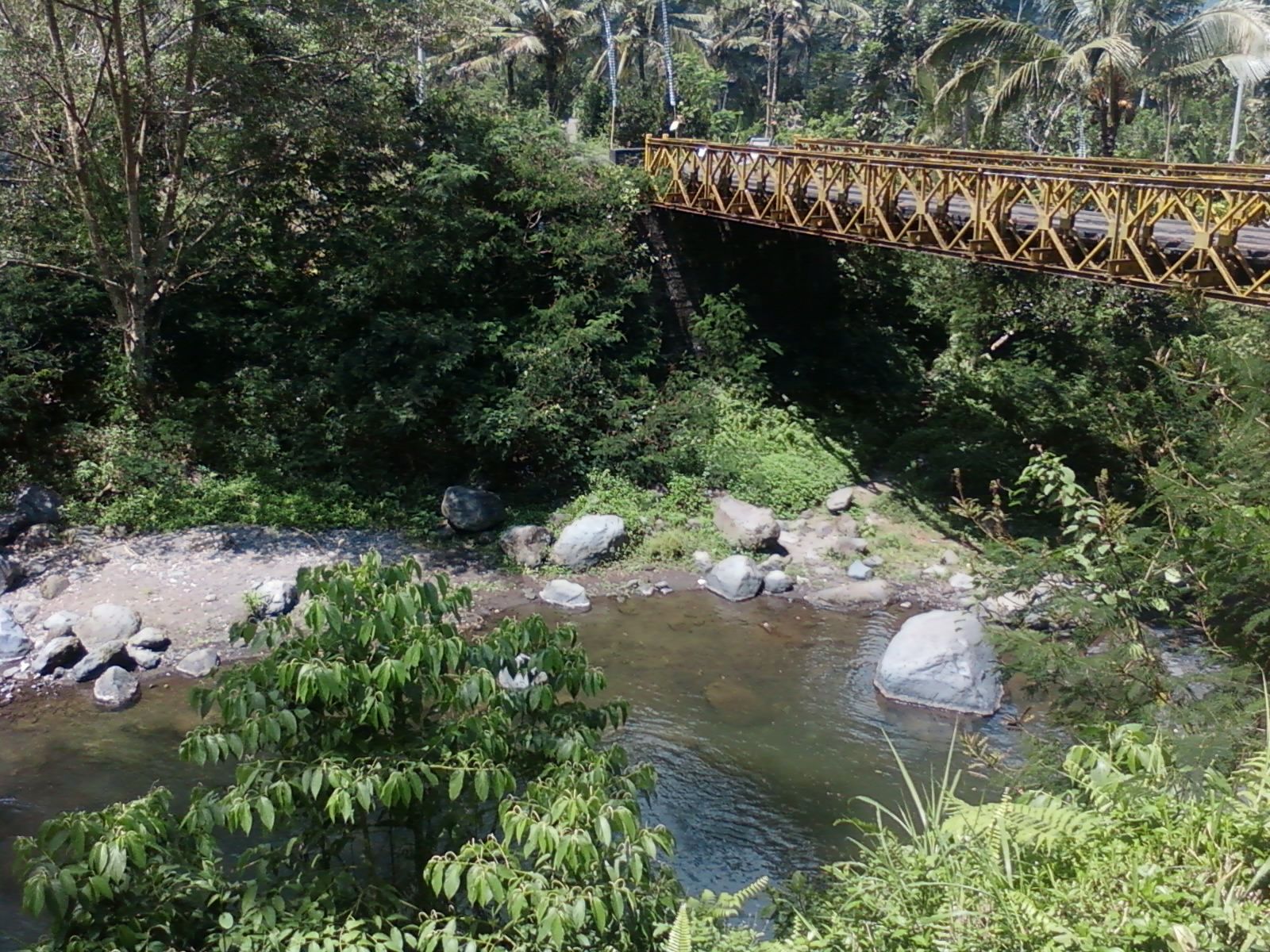
Along the river and the lower paths you may see people bathing or washing in the late afternoon. Keep a respectful distance and do not photograph them.
The sound of the valley changes through the day: cockerels and the call of farmers before dawn, the rush of water in the channels at midday, frogs and insects as soon as the light goes. Sit by a channel for half an hour and you will hear more than you see.
 Another courseAmed's black-sand mornings
Weaving: endek and songket
Sidemen has a long tradition of weaving. Two cloths are made here. Endek is a weft ikat, in which the threads are tied and dyed in patterns before weaving, so that the design appears slightly blurred in the finished cloth. Songket is a richer brocade, in which gold or silver threads are woven in as supplementary weft to make shining patterns. Songket is worn at ceremonies and weddings; endek is worn more widely, and in recent years has become a symbol of Balinese identity, worn by office workers and schoolchildren on certain days.
In the village you may hear the steady clack of wooden looms from the houses and small workshops. Some weavers welcome visitors to watch, and buying directly from them supports the craft. A single piece of songket can take weeks to finish, so expect prices that reflect the labour.
A single piece of songket can take weeks to finish, so expect prices that reflect the labour.
Ceremonies and village life
Like every village in Bali, Sidemen keeps a busy ritual calendar. You may see processions on the road, with women carrying tall offerings on their heads and men playing gamelan, or a temple courtyard decorated with umbrellas and cloth for an anniversary festival. During Galungan, tall bamboo penjor arch over the road outside every house.
If you meet a procession, stop, pull to the side and let it pass. If a ceremony is open to onlookers, stand at the edge in a sarong and sash, keep quiet and keep your camera low. Never walk in front of people praying or step over offerings.
Each morning, small offerings of palm leaf, flowers and rice appear on doorsteps, at shrines and at the corners of the fields. They are made and placed by the women of each household as a daily act of devotion and balance, and by evening they have usually been scattered by dogs, chickens or rain. Their impermanence is part of their meaning. Walk around them, and if one is in your way on a narrow path, wait rather than stepping over it.
How to spend the days
Sidemen is not a place for sights. It is a place to change pace. A good rhythm for three or four days:
- First morning: a short walk on the field paths at sunrise, then breakfast and rest.
- First afternoon: a visit to watch weaving, and a walk down to the river.
- Second day: a longer guided walk across the valley, through terraces and small hamlets.
- Third day: nothing planned at all. Read, sleep, watch the mountain.
If you want an excursion, the mother temple of Besakih is on Agung's slopes to the north, and the coast at Amed is a few hours' drive further east. But many people find they have no wish to leave the valley once they arrive.
Getting there and staying
From the south of the island, Sidemen is roughly two hours by road, depending on traffic, via Semarapura. The road through the valley is narrow and winding, with steep sections; if you are not experienced on Bali's roads, travel with a driver. The guide to getting around without the stress has more on that.
Stay in the valley rather than visiting for a day. Choose somewhere with a view over the fields, so that your mornings begin with the mountain. Bring cash, as cards are not always accepted, and a warm layer for the cool evenings. Mount Agung is an active volcano; check its current status before travelling east and follow any official exclusion zone.
The people who took these pictures are thanked by name, with their licences, in Photographs and thanks.