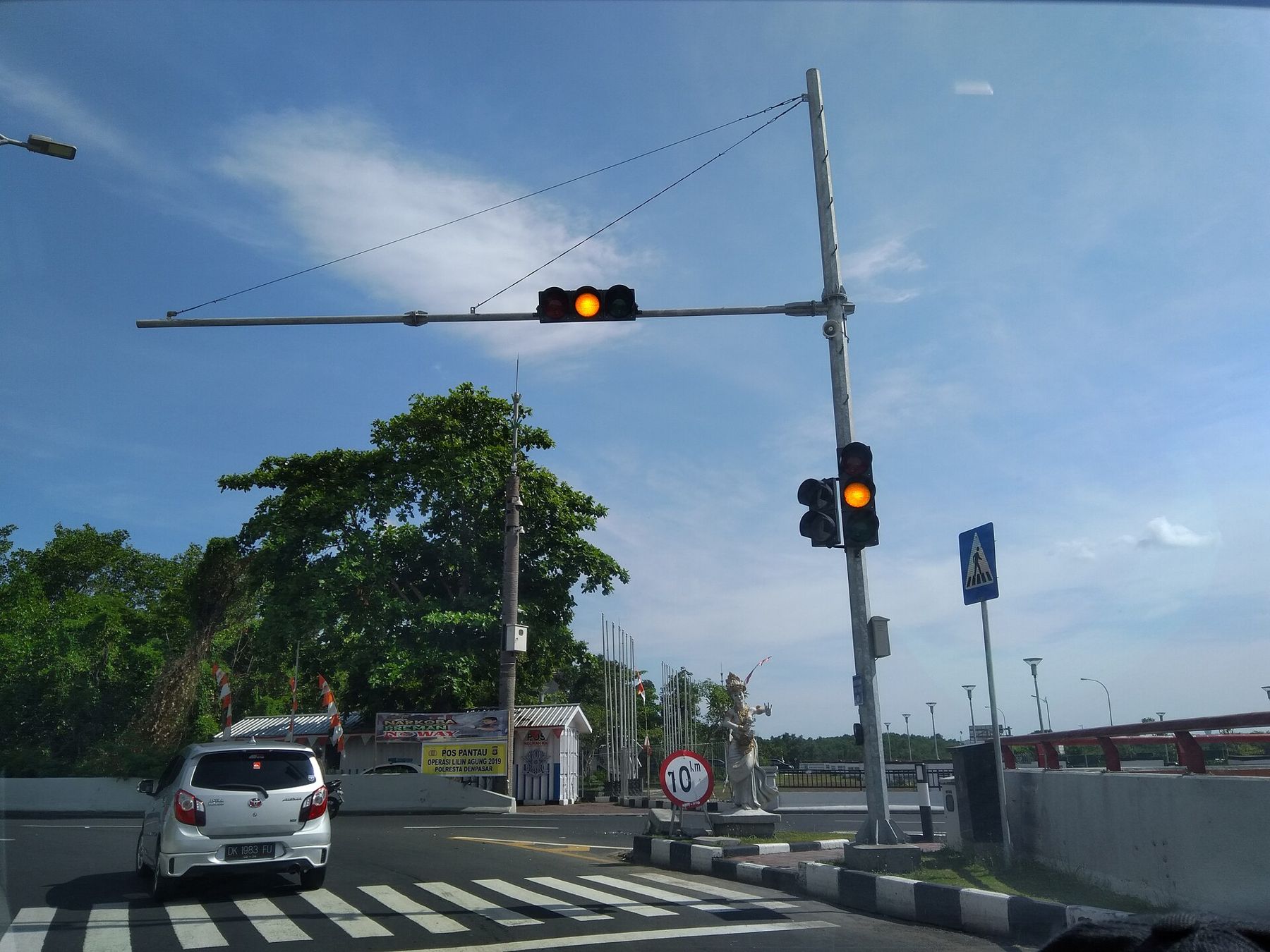
On a map, Bali looks easy. Ubud is not far from the coast, the mountains are only a little further, and the whole island seems to fit into a day. On the ground, distances stretch. Roads are narrow and winding, villages run into each other, and in the south traffic can stand still for long stretches.
The calm way to travel here is to do less of it. Choose a few bases, stay longer in each, and treat every drive as part of the day rather than a gap between things.
Why short distances take so long
Most of the island's roads were not built for the traffic they now carry. Main routes often have one lane in each direction, pass through market towns and wind through hills. Scooters fill every gap, trucks climb slowly, and a single parked vehicle can hold up a whole line.
The south, around the airport, Kuta, Seminyak, Canggu and Denpasar, is the most congested part of the island. Late afternoon and early evening are usually the worst hours. A journey that takes less than an hour at dawn can take two or more later in the day. Allow far more time than the distance suggests, especially when you have a flight to catch.
There is a toll road built on piers across the bay, linking the airport area, Nusa Dua and Benoa, and it helps on those routes. For most journeys inland, though, you will be on ordinary roads.
Hiring a driver
Many visitors hire a car with a driver for the day or for a long transfer. It is the most relaxed way to see the island: you can stop when you like, the driver knows the roads and the parking, and you can watch the villages go by instead of the traffic.
- Agree the route, the hours and the price before you set off.
- Ask whether fuel, parking and entrance fees are included.
- Say clearly if you do not want to stop at shops or showrooms.
- Build in breaks; long hours on winding roads are tiring for everyone.
Prices vary with the season, the distance and the vehicle, so ask where you are staying for a fair local rate and compare. Ride-hailing apps operate in parts of the island, but in some areas local drivers' groups restrict pick-ups, and you may see signs saying so. Respect them, and arrange a local car instead.
Scooters, honestly
Scooters are everywhere, and renting one looks like freedom. It is also the source of many visitors' worst days on the island. Traffic is dense and unpredictable, roads can be sandy, wet or potholed, and a fall at low speed on gravel still causes injury.
Before you ride, check the current rules carefully. As a general guide, you need a licence that covers motorcycles in your home country together with an International Driving Permit that also covers them, and helmets are required by law. Many travel insurance policies will not pay out for a scooter accident if you were unlicensed or riding without a helmet. Police checks on visitors do happen.
If you have never ridden a motorbike, Bali is not the place to learn. If you are an experienced rider, ride slowly, keep to the left, wear a proper helmet and closed shoes, and avoid riding at night or in heavy rain.
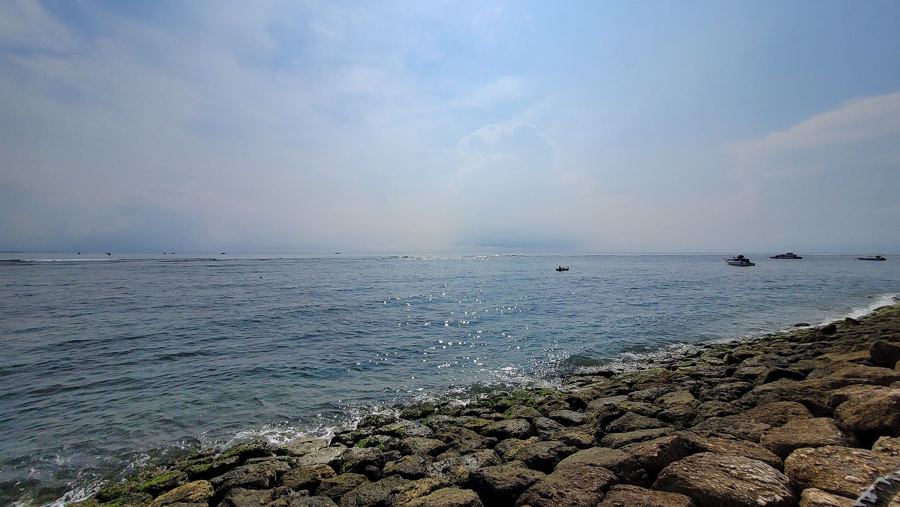 Another courseArriving gently in Sanur
Walking, and short hops
In the towns, walking is often the best way to get around, though pavements can be broken, narrow or missing altogether. Watch for open drains and uneven covers, and carry a torch after dark. In Sanur the long beach path is the easiest walking on the island; the guide to arriving gently in Sanur describes it.
For short trips, local drivers wait on many street corners. Agree a price before you get in. Metered taxis also run in the south. Public buses exist on some routes, but services have changed often over the years, so check what is running before you rely on one.
When to travel
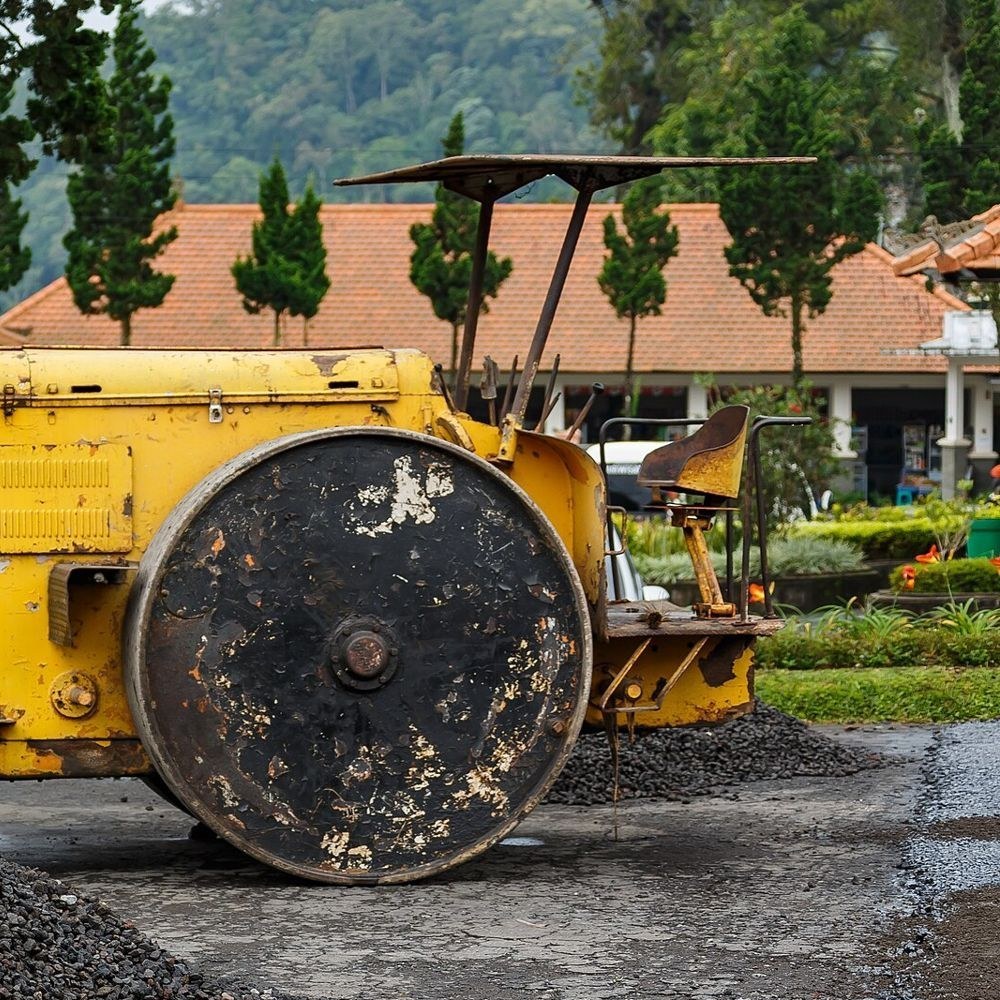
Early morning is the best time for any long drive. Roads are emptier, the air is cooler, and you arrive with most of the day still ahead. In the wet season, roughly November to March, heavy afternoon rain can flood low roads and slow everything further; the piece on wet season and dry season explains the pattern.
Some routes to plan with care:
- Airport transfers in the late afternoon: leave much earlier than you think.
- The drive up to the highlands around Lake Bratan: steep, winding and often misty.
- Long east-west journeys: break them with a night on the way.
- Island boat crossings: allow for sea conditions and check the day before.
Ceremonies and holy days
Roads close for ceremonies. A procession of villagers carrying offerings to a temple or the sea may fill a road for some time, and traffic simply waits. Treat it as part of the journey. Turn off your engine if you can, keep your voice low and do not sound the horn.
On Nyepi, the Balinese day of silence, the whole island stops: no traffic, no flights and no one on the streets for a full day. The guide to Nyepi, the day of silence explains what visitors need to know. Around Galungan, roads in villages are lined with tall decorated bamboo poles and some journeys slow as families travel to visit relatives.
Travel slowly, travel less, and the island has a way of opening up. The best moments are often the unplanned stops between places: a roadside stall, a view over a valley, or a temple gate with an offering placed at its foot.
The people who took these pictures are thanked by name, with their licences, in Photographs and thanks.