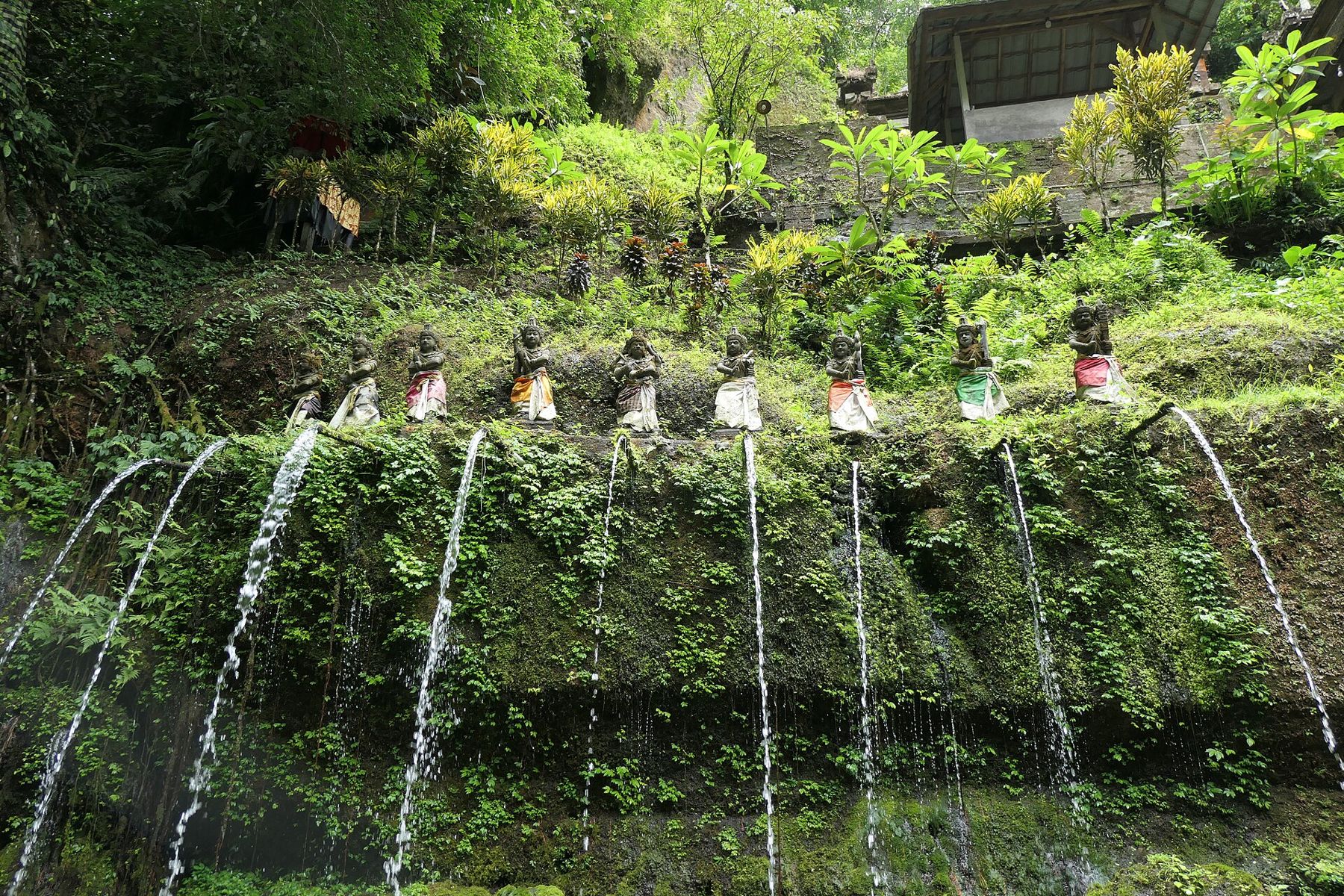
Bali sits a little south of the equator, and it is warm all year. The temperature at the coast changes little from month to month. What changes is the rain, the humidity and the wind, and these shape what a day feels like far more than the thermometer does.
Broadly, the island has a dry season and a wet season. Neither is a reason to stay away. Each asks for a slightly different rhythm.
The dry season
The dry season runs roughly from April to October. Days are often bright, the humidity eases a little, and evenings can feel pleasantly fresh, especially in the hills. Rain still falls now and then, but long grey days are less common.
These are also the busiest months. July and August bring school holidays in many countries, and the south of the island fills up. Roads are slower, popular viewpoints are crowded and prices tend to rise. If you want dry weather with fewer people, the edges of the season are kinder: April to June, and September to October.
The dry season is a good time for the east coast, for walking in the rice valleys and for clear morning views of the volcanoes. In the highlands nights can be cool enough for a sweater.
The wet season
The wet season runs roughly from November to March, with the heaviest rain often falling around January and February. It rarely rains all day. More often the mornings are clear or hazy, cloud builds through the middle of the day, and a heavy downpour arrives in the afternoon or evening. Then it stops, and the air is washed and still.
Humidity is the real change. The air feels thick, clothes take a long time to dry, and walking uphill in the heat is tiring. Mosquitoes are more active, so carry repellent and cover up at dusk.
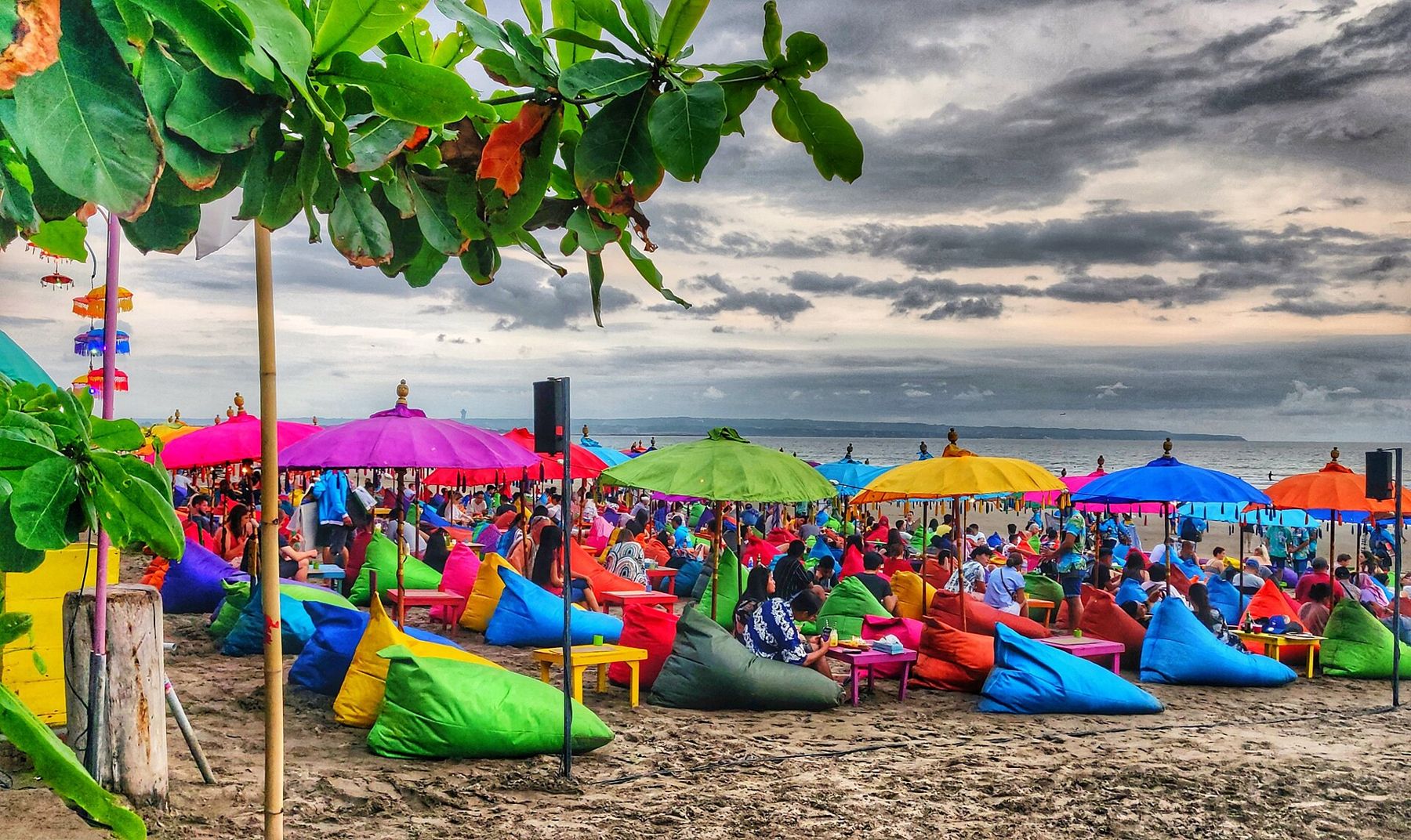
The wet months have their own rewards. The rice fields and forests are at their greenest, waterfalls run full, and outside the Christmas and New Year holidays there are fewer visitors. The light after a storm, low and gold across the fields, is one of the loveliest things on the island.
What changes on the coasts
On the west coast, the wet-season winds often bring rougher seas, and in some years large amounts of rubbish wash up on the beaches of the south-west. Local crews clean the sand, but some days are better than others. The east coast and the north are often calmer at this time of year.
The sea is never something to take lightly here. Rip currents run on many beaches in any season. Swim where others swim, look for flags and local advice, and stay out of the water when the surf is big. Boat crossings to the outer islands can be cancelled or uncomfortable when the sea is up; check conditions the day before and leave room in your plans.
 Another courseGetting around without the stress
What changes in the hills
Inland and uphill, the wet season is cooler, cloudier and often misty. Around the lakes and the highland villages rain can settle in for longer spells, and paths become slick and muddy. Waterfall walks with steep steps need extra care after rain, and some may be closed when streams run high.
The rice terraces change with the season and with each field's own calendar rather than with a single month. Walking among them at first light, before the clouds build, works well in any season; the piece on Ubud's rice terraces at first light has more.
Roads are slower in the rain. Water collects on low streets, scooter riders shelter under bridges and shop awnings, and a journey that is easy in the dry season can take much longer. The guide to getting around without the stress has advice on timing drives.
Festivals and the calendar
The Balinese ceremonial year follows its own calendars rather than the seasons. Galungan comes round every 210 days, so it can fall in any season, and Nyepi, the day of silence, usually falls in March. Both change the feel of the island far more than any weather. If you hope to see them, or to avoid the closures on Nyepi, check the dates for your year before you book. The guide to Nyepi, the day of silence explains what happens.
Temple anniversaries, called odalan, happen all year in different villages, and you may come across one whatever month you travel. Rain does not stop them. You may see a procession walking under umbrellas, offerings wrapped against the wet, and a temple courtyard full of people waiting out a shower before the prayers begin.
Choosing your months
There is no wrong time to come, only different kinds of trip.
- For the driest weather and long beach days, aim for the dry season, ideally avoiding July and August.
- For green landscapes, fewer people and a slower pace, consider the wet season outside the year-end holidays.
- For walking and hill country, the shoulder months often give the best balance of clear mornings and manageable heat.
- Whatever the month, plan outdoor activity for the morning and keep the afternoon loose.
Pack for both. A light rain jacket, quick-drying clothes and sandals that grip on wet stone will serve you in any month. So will a willingness to stop when the rain comes, find a covered place to sit, and watch it fall. On an island this green, the rain is part of the reason, and the hour after it passes is often the best of the day.
The people who took these pictures are thanked by name, with their licences, in Photographs and thanks.