Almost every street in Bali's busier towns has somewhere offering massage, and many visitors have one every few days. It is easy to treat it as a simple pleasure, and it is that. But Balinese massage also has roots in older practices of healing and care, and it helps to know what you are being offered, what the oils and pastes are, and how to choose well.
Where it comes from
In Balinese villages, the knowledge of massage has long been held by healers and by ordinary families. The balian, the traditional healer, may use massage alongside herbs, prayers and offerings. More everyday is urut, the practice of kneading sore muscles and setting strains right, done by someone in the village with a reputation for good hands. Farmers who spend long days bent in the rice fields have always needed it.
The style of massage now sold across the island draws on these village practices, and also on influences from elsewhere in Indonesia and Asia. It has changed as it met visitors, but its basic shape is still recognisably local.
What a Balinese massage involves
A typical session uses a combination of techniques:
- Long, flowing strokes with the palms, to warm the muscles and spread the oil.
- Kneading and rolling of the larger muscles, especially in the back, shoulders and legs.
- Pressure with the thumbs along the muscles and at points where tension gathers.
- Gentle stretching of the arms and legs.
The pressure is usually firm. If you are new to it, ask for lighter pressure at the start; it is easier to increase than to undo a sore day. A good therapist will check with you, but say so plainly if anything hurts. There is no virtue in enduring pain.
Most sessions begin with a simple foot wash in warm water, often with flower petals floating in it, and a few quiet minutes to settle. You will usually be given a sarong or disposable underwear and left alone to change, and you are covered with a cloth throughout, with only the part being worked on uncovered. If anything about the setting makes you uncomfortable, you are free to ask for changes or to stop. Silence is normal; you do not need to make conversation.
Oils, boreh and lulur
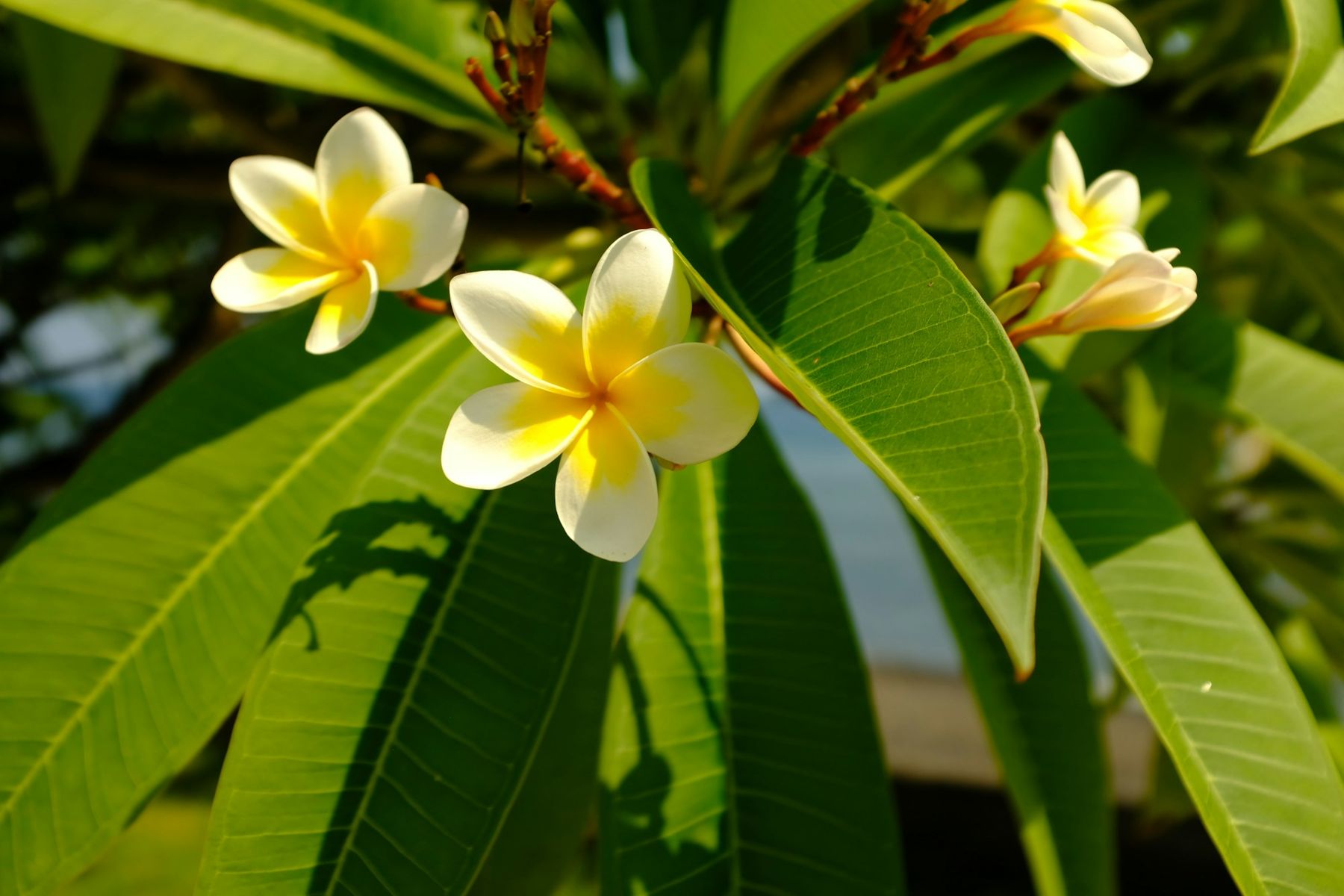
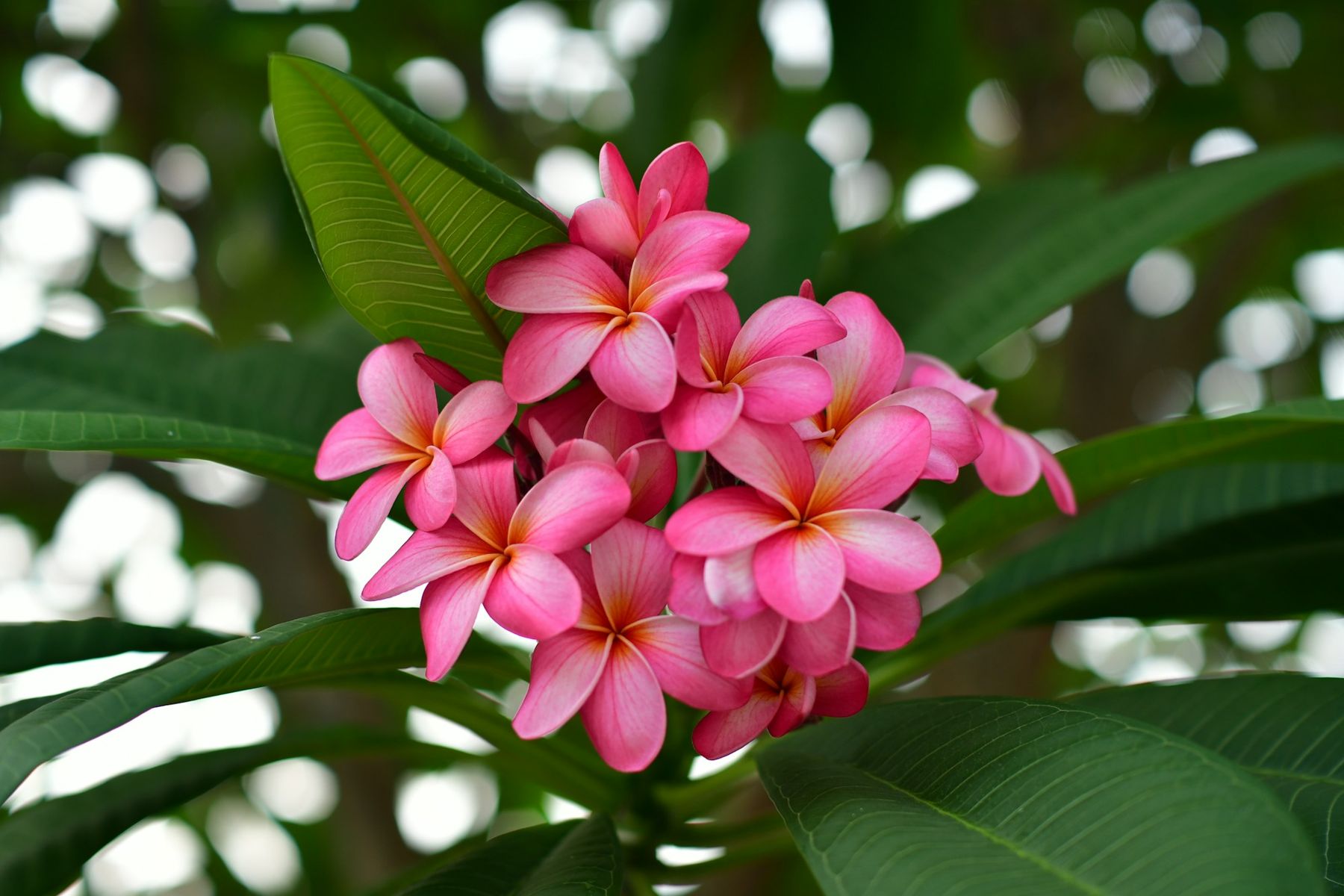
Most massage uses an oil, often based on coconut oil, sometimes scented with frangipani, jasmine, sandalwood or lemongrass. The frangipani, called jepun in Bali, is the flower you see tucked into offerings and behind ears all over the island.
Two traditional treatments are often offered alongside massage:
Boreh
Boreh is a warming paste of ground spices and roots, which can include rice, ginger, cloves, turmeric and other ingredients that vary from family to family. Rubbed on the body after work in the cool, wet fields, it was a farmer's remedy for aches and chills. The skin tingles and warms as it dries. If you have sensitive skin, ask what is in it, and say if it burns.
Lulur
Lulur is a body scrub with Javanese court origins, made with turmeric, rice powder and fragrant ingredients. It is traditionally linked to the preparation of a bride before her wedding, and is now a popular treatment in its own right. It is usually followed by a rinse and sometimes a yoghurt or flower bath.
 Another courseYoga and quiet in Ubud
Jamu, the herbal tonics
Jamu is the name for Indonesia's traditional herbal drinks and remedies. They have been made for generations, from roots, leaves, bark and spices, and they are still drunk widely across the country. Some are sold by street sellers, some made at home, and many are now bottled.
Two are easy to find and good to start with:
- Kunyit asam, made from turmeric and tamarind, sweetened with palm sugar. It is bright orange, sour and sweet.
- Beras kencur, made from rice and kencur, an aromatic root related to ginger. It is milky, earthy and gently spiced.
Jamu is part of daily life rather than a cure for anything in particular, and its health claims vary. If you are pregnant, take regular medicine or have a medical condition, ask before trying stronger remedies, as some herbs can interact with medicines.
How to choose a place well
There is a huge range, from simple rooms in a family compound to elaborate hotel spaces. Price is not a reliable guide to quality. Instead, look for:
- Cleanliness: fresh linen, clean towels, washed hands.
- Training: ask how long the therapists have been working and where they learned.
- Care: a good place asks about injuries, pregnancy and health before starting.
- Fair conditions: very cheap prices can mean very low pay. Tipping is common and appreciated.
Avoid massage on sunburned or broken skin, straight after a heavy meal, or when you have been drinking. If you are pregnant, tell the therapist and choose a place used to adapting treatments for pregnancy.
Making it part of a slow day
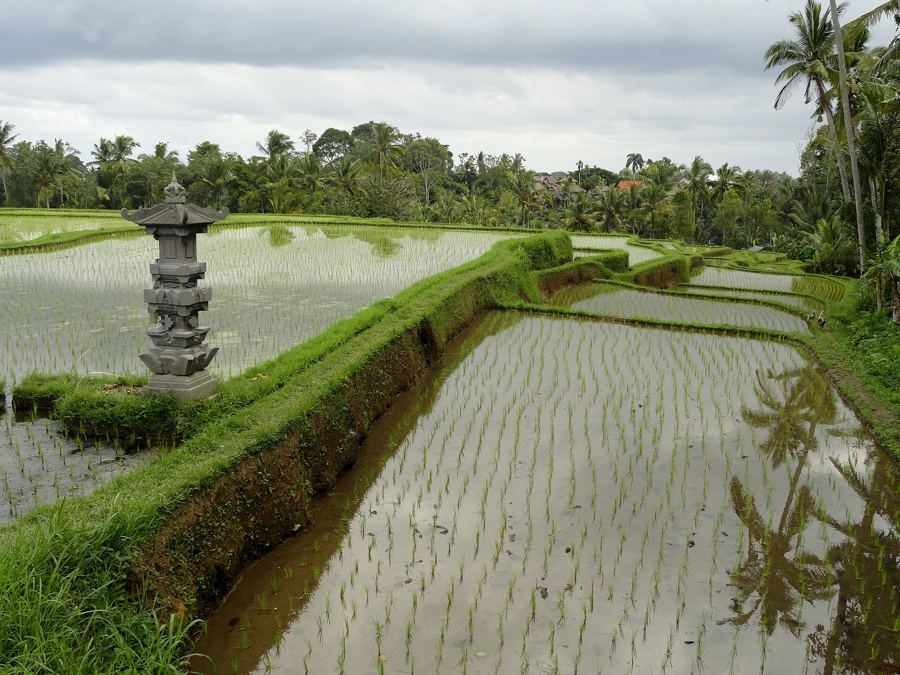
Massage fits best at the end of a day, not in the middle of a busy one. Book for late afternoon, after a long walk on the rice terrace paths or a morning in the sea, and leave the evening empty. Drink water afterwards, take a warm shower, and sleep early.
If you have had boreh or lulur, leave the residue on your skin for a while if you can, as the therapist suggests, rather than scrubbing it off at once. Save a glass of kunyit asam for the next morning. Small, regular kindnesses to the body suit the pace of the island better than one grand treatment.
In a place like Ubud, where many visitors also practise yoga, a massage once or twice a week can help the body adjust to new effort. The note on yoga and quiet in Ubud covers the other half of that rhythm.
The people who took these pictures are thanked by name, with their licences, in Photographs and thanks.