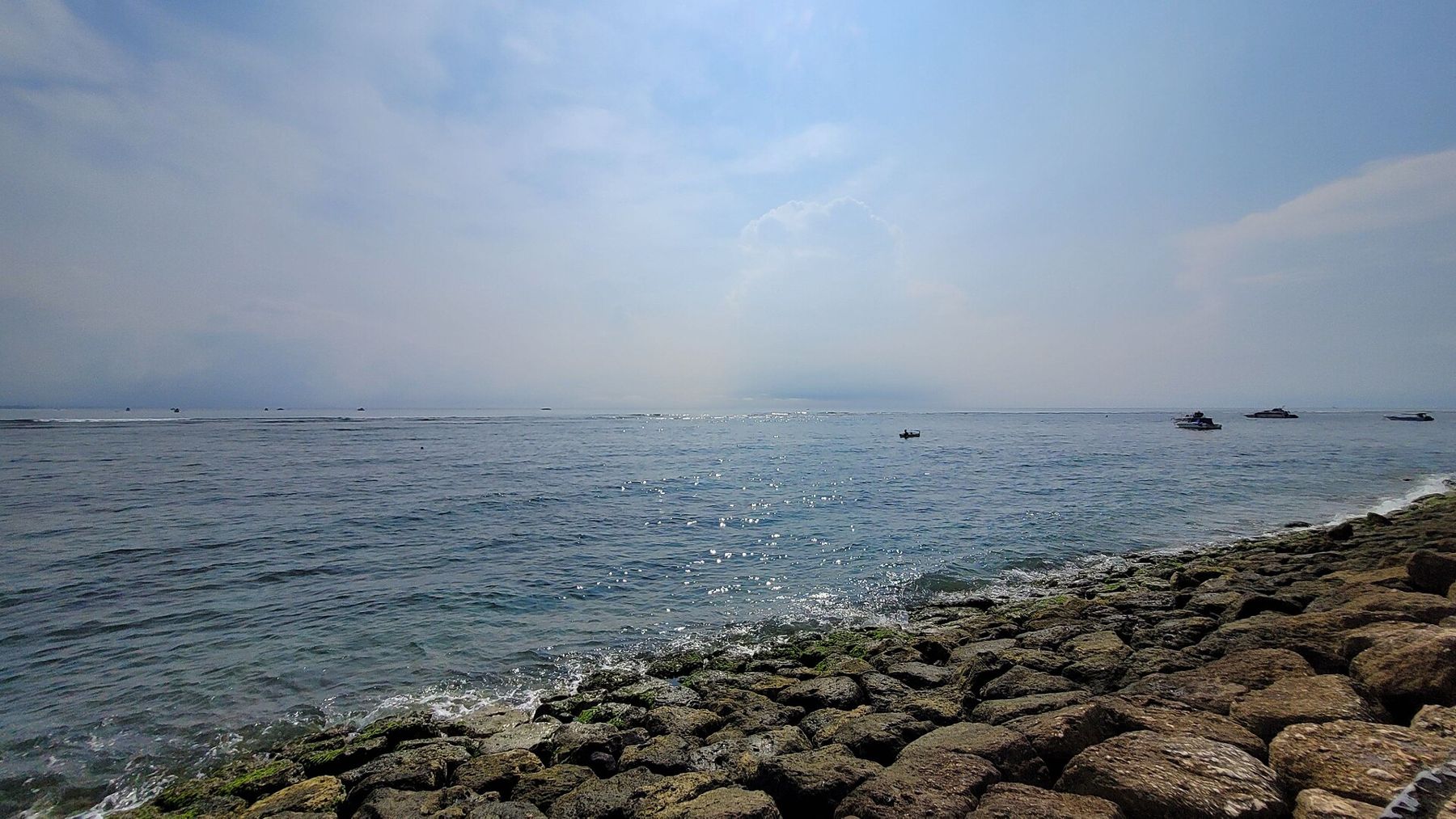
Most people arrive in Bali tired. A long flight, a crowded arrivals hall and a hot drive through traffic make a poor first chapter. Sanur, on the south-east coast, is one of the gentlest places to begin again. The water is calm, the pace is slow and the beach faces east, so your first morning starts with the sun coming up over the sea.
It is not the island's most dramatic coast, and that is its virtue. You come here to sleep off the journey, walk, swim and let your body catch up with the clock.
Why Sanur is calm
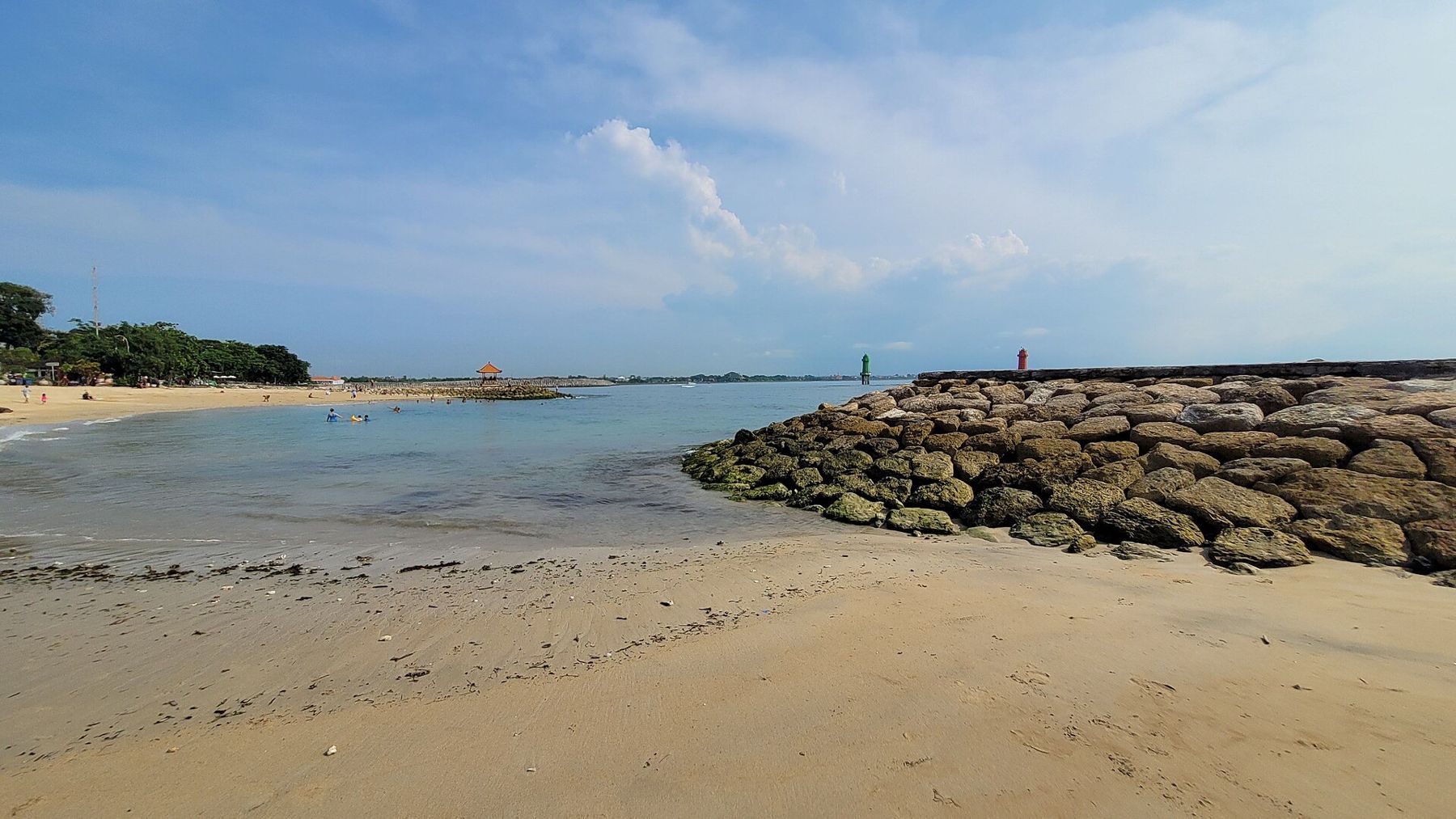
A reef runs offshore along much of Sanur's beach, and it breaks the swell before it reaches the sand. Inside the reef the water is usually shallow and quiet, more like a lagoon than open sea. Waves break white on the reef line far out, and closer in the surface is often flat enough to see the bottom.
The tide matters a great deal here. At high tide the lagoon fills and swimming is easy. At low tide the water draws back, sometimes a long way, and exposes seagrass, rock and coral rubble. Check the tide times on arrival and plan your swims around them. Reef shoes help on the rougher patches.
Calm does not mean without risk. Currents can run through gaps in the reef, boats come and go close to shore in places, and the sun on shallow water is fierce. Swim where others are swimming, stay well inside the reef, and look for any flags or local advice before you go in. Snorkelling trips to the outer reef are offered along the beach, but conditions there are different from the lagoon, so ask about currents and go only in settled weather.
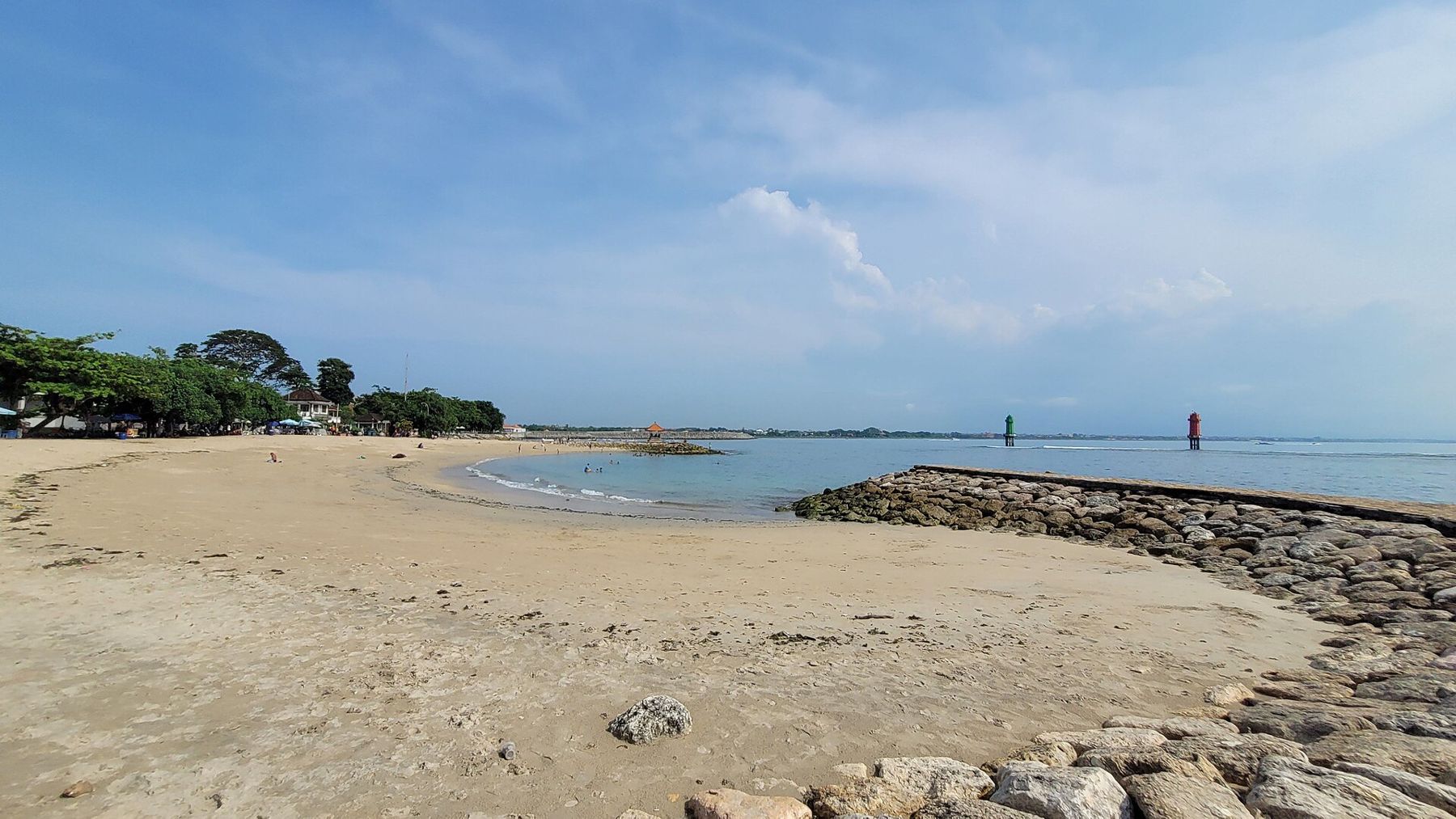
From the beach you can see the outline of Nusa Penida across the strait, and on clear early mornings the cone of Mount Agung rises to the north-east. Fast boats to the islands leave from Sanur, which makes it a practical base before a crossing. If you plan to go, read the guide to Nusa Penida, carefully first.
The beach path at sunrise
A paved path runs for several kilometres along the shore, shaded in long stretches by old trees. It is the heart of Sanur and the best reason to wake early. Before six the path belongs to walkers, joggers, fishermen and people sitting quietly on the sea wall waiting for the light.
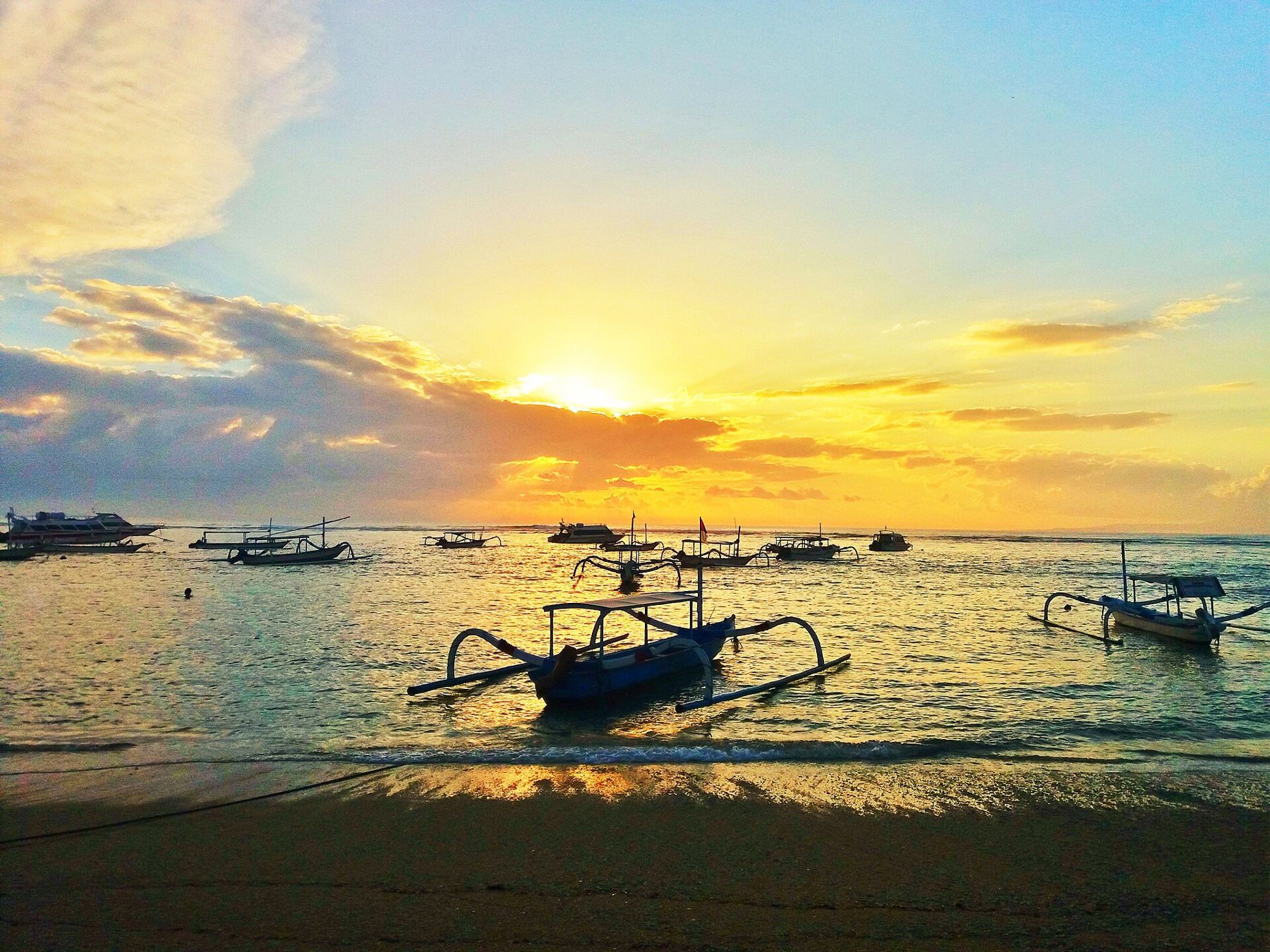
Walk north first, with the brightening sky on your right. Wooden outrigger boats, called jukung, are pulled up on the sand with their painted bows and long bamboo arms. Some still go out at night and return in the early morning. Small offerings appear on the sand and at shrines by the path; step around them.
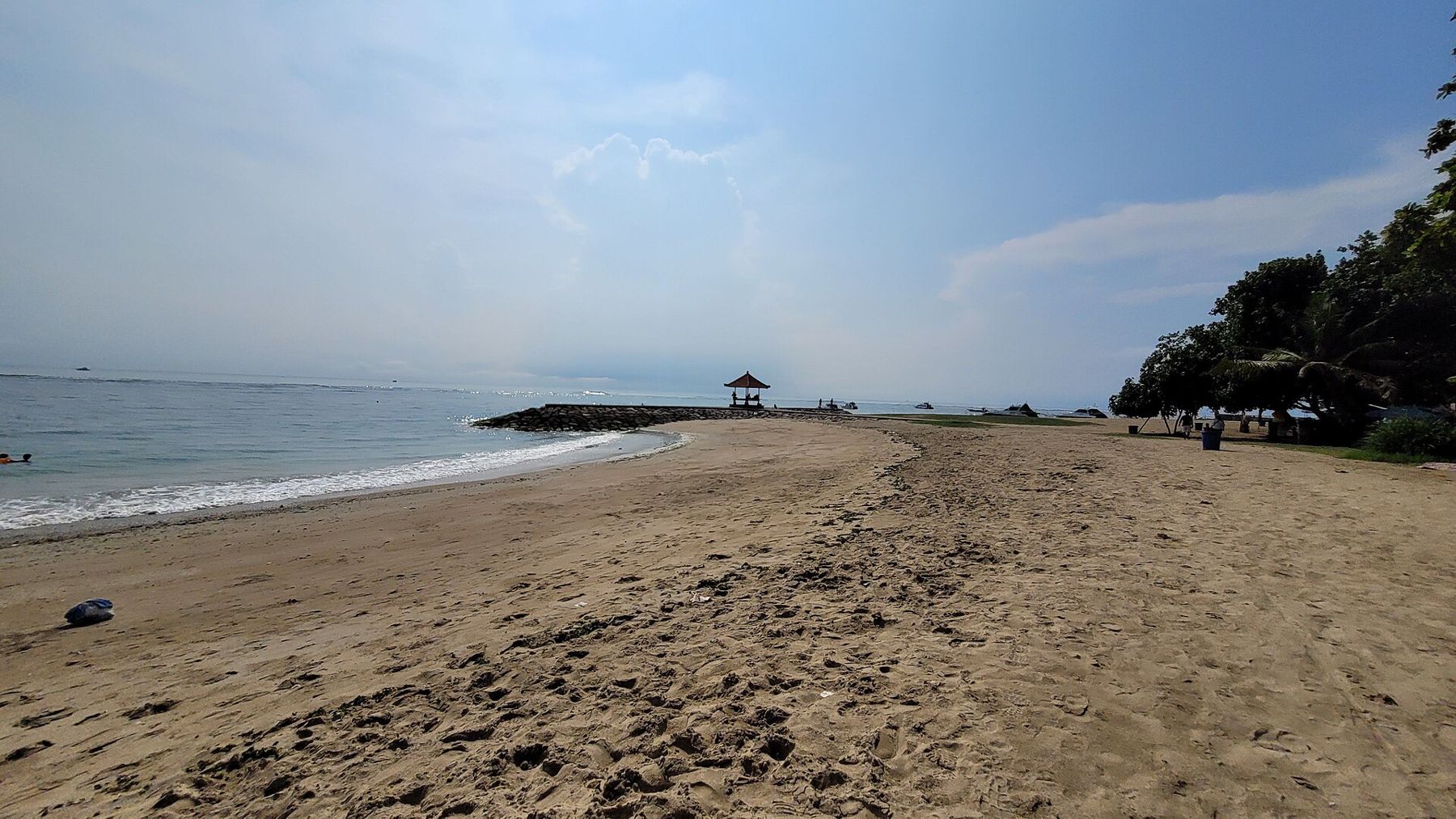
You will pass open pavilions, a few small temples by the shore and long sections where the only sound is the water against the breakwaters. By seven the sun is already strong, so turn back before the heat. The same path at dusk is softer and busier, with families sitting on the sand.
Before six the path belongs to walkers, joggers, fishermen and people sitting quietly on the sea wall waiting for the light.
Two easy days
There is no need to plan much. The value of Sanur in your first days is that it asks so little.
Day one
- Sleep as long as you need, but try to be on the beach path for the next sunrise.
- Swim when the tide is high, ideally in the morning before the sun climbs.
- Rest through the middle of the day, when the heat is hardest on a tired body.
- Walk south along the path in the late afternoon, and eat early and simply.
Day two
- Walk the path at dawn again, this time going south.
- Visit the Museum Le Mayeur, set in the former beachside home of a painter who lived here in the twentieth century, if it is open.
- Drink plenty of water; the humidity takes a day or two to get used to.
- Spend the evening deciding where to go next, without rushing the decision.
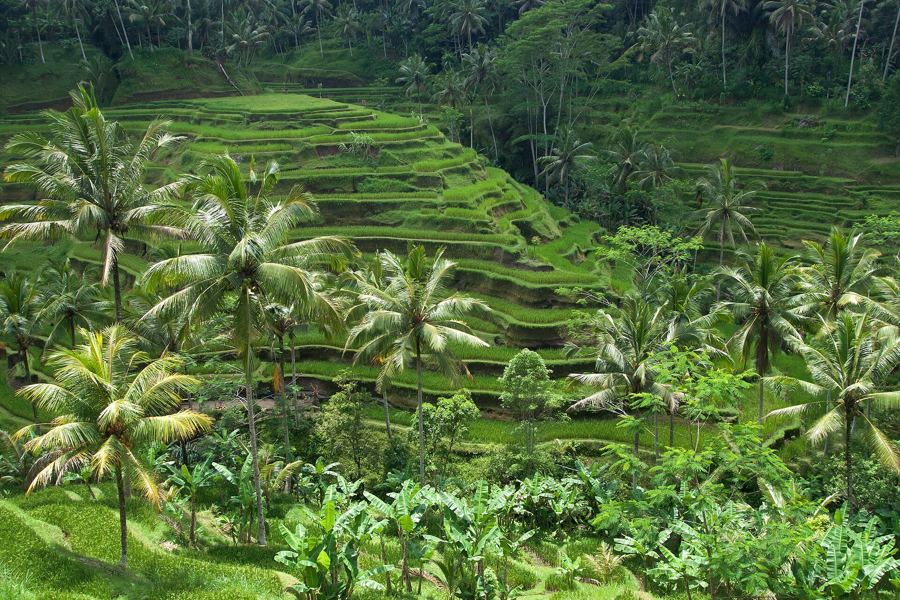 Another courseUbud's rice terraces at first light
Getting your bearings
Sanur is spread along a long strip between the beach and a busy bypass road. The quieter lanes run towards the sea. Most of what you need is within walking distance of the path, and walking is the best way to learn the place.
The town grew slowly. Sanur was one of the first parts of Bali to welcome foreign visitors in numbers, long before the west coast filled up, and painters and writers lived here in the decades before mass tourism. It still has an older, more settled feel than the busier resort areas. Families come to the beach on Sundays and holidays, and in the days before Nyepi villages from across the area carry their temple treasures to the sea here in long white-clad processions for the purification called Melasti.
The northern end of the beach is closer to the harbour and the boats to the islands. The southern end is quieter in places, with wide stretches of sand at low tide. Neither is better; walk both and see which suits you.
The drive from the airport usually takes around half an hour, but traffic in the south can stretch any journey, especially in the late afternoon. When you are ready to move on, Ubud is roughly an hour inland, depending on the road. The guide to getting around without the stress covers drivers, scooters and timing. Ubud makes a natural second stop, and the piece on the rice terraces at first light suggests how to spend your first morning there.
Small courtesies
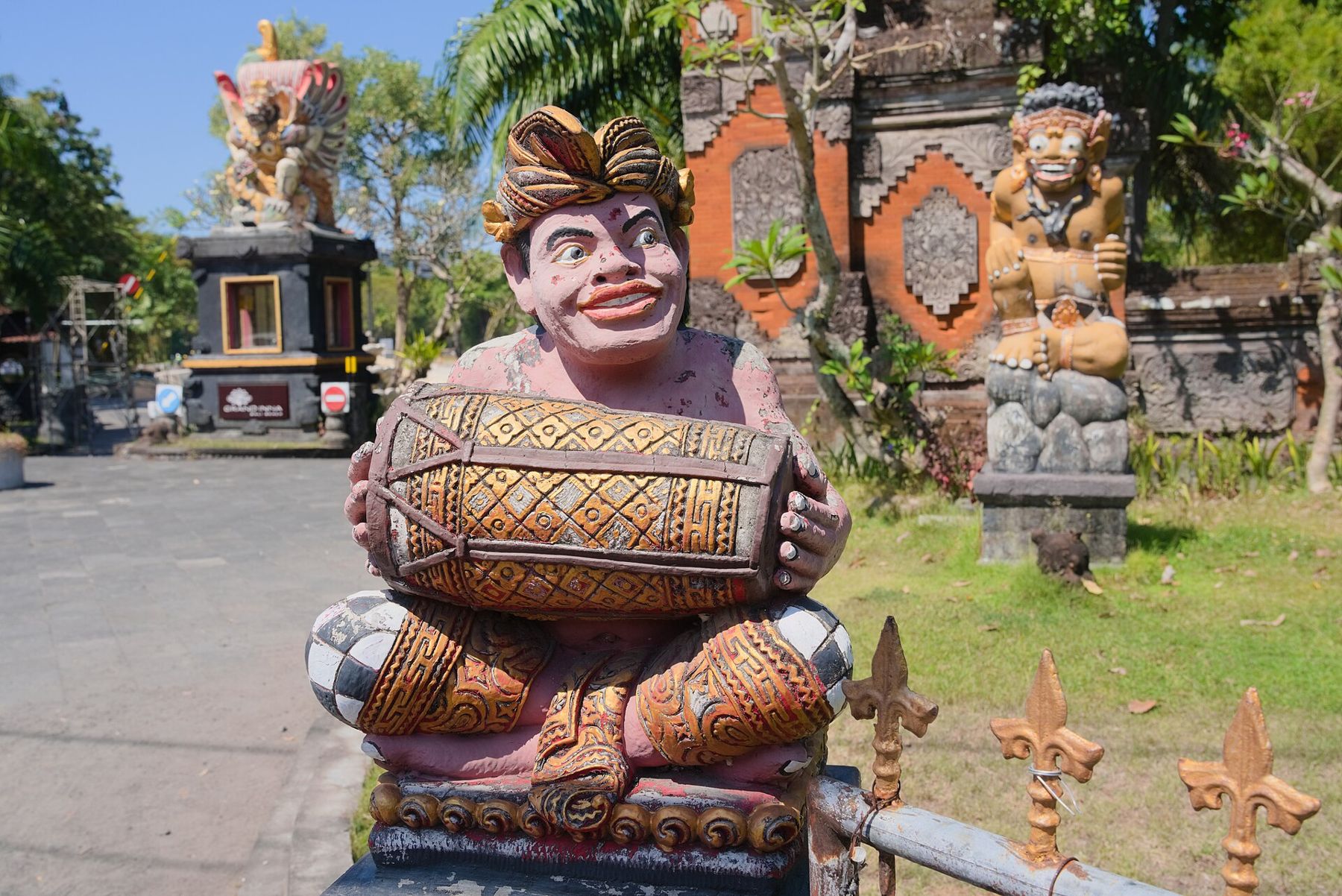
Sanur is a lived-in place, with Balinese families, long-term residents and visitors sharing the same shore. Dress for the town when you leave the beach: a shirt and shorts or a wrap over swimwear. Temples along the coast are places of worship; if one is open and you want to enter, you will need a sarong and sash, and the note on temple etiquette explains the basics.
Ceremonies sometimes take place on the beach, with processions carrying offerings to the water. If you meet one, stand back, keep quiet, and do not walk through the line. Photograph from a distance, without flash, and only if it feels right.
Above all, give yourself permission to do very little. The island will still be there when you are rested, and you will see it far better for having arrived gently.
The people who took these pictures are thanked by name, with their licences, in Photographs and thanks.